
What Is Memory Care in Assisted Living for Seniors?
TL;DR What is memory care in assisted living: Memory care is a secure, specialized part of an assisted living community for people with Alzheimer’s or

TL;DR What is memory care in assisted living: Memory care is a secure, specialized part of an assisted living community for people with Alzheimer’s or

TL;DR The link: Muscle loss and dementia often happen together with age. Weaker muscles lead to less activity and more falls, and dementia makes staying

TL;DR How long will Medicare pay for hospice: Medicare covers hospice for two 90-day benefit periods, then an unlimited number of 60-day periods, as long

TL;DR What are the 7 stages of dementia: Doctors often use the Global Deterioration Scale, which tracks dementia from stage 1 (no symptoms) to stage

TL;DR What is Lewy body dementia: Lewy body dementia (LBD) is the second most common type of dementia after Alzheimer’s. It’s caused by abnormal protein

TL;DR Three stages of dementia: Dementia moves from mild (some help needed), to moderate (closer monitoring, forgetting names, mood and personality changes), to severe (full

TL;DR What is memory care: Memory care is specialized care for people with Alzheimer’s and dementia, with 24-hour supervision, trained staff, and personalized care plans

TL;DR When is it time for memory care: When dementia symptoms make daily life unsafe or too hard to manage at home, memory care’s secure

TL;DR What is memory care: Memory care is long-term care designed for people with Alzheimer’s or dementia. More than 55 million people live with dementia

TL;DR What is memory care: Memory care supports people with Alzheimer’s and dementia with 24-hour care from staff trained to handle anxiety, agitation, and communication

TL;DR Why do dementia patients sleep so much: Dementia disrupts the body’s internal clock and damages brain areas that control sleep, leading to broken nighttime

TL;DR Is dementia different for women: Yes. Women are more likely than men to develop dementia, especially Alzheimer’s, partly because they tend to live longer.

TL;DR Nutrition and Alzheimer’s: A brain-healthy diet can support thinking and memory, reduce inflammation, and may help slow Alzheimer’s progression. How food helps: Vitamins D

TL;DR Biggest risk factor: Age is the main Alzheimer’s risk factor, and the chance of developing it roughly doubles every five years after 65. Genetics:

TL;DR Caregiving challenges: Dementia caregivers face physical and emotional strain, financial pressure, and social isolation. Why technology helps: The right tools can improve safety, support
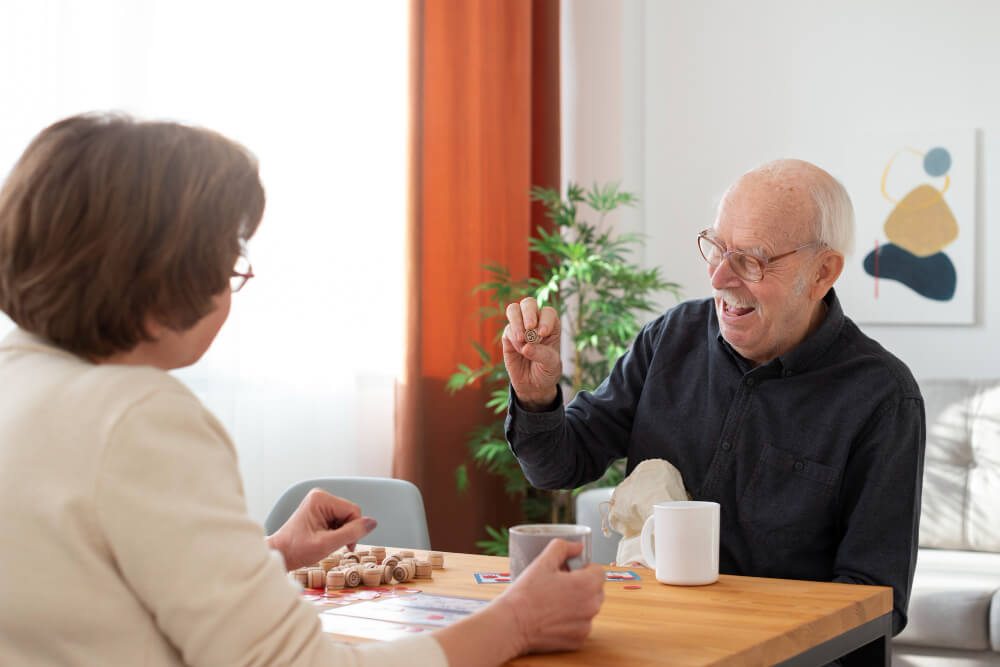
TL;DR Late-life depression: Depression in older adults is common enough to need attention. Major depression affects about 1-4% of people 65 and older, and about

TL;DR Why routines matter: A steady daily routine gives seniors with dementia predictability and comfort, eases anxiety and agitation, and builds a sense of accomplishment.

TL;DR What is early-onset dementia: Early-onset (younger-onset) dementia affects people under 65, sometimes in their 30s, 40s, or 50s. Symptoms: Confusion, trouble with routine tasks,

TL;DR Why falls happen: Dementia damages the brain areas that coordinate movement, making walking, turning, and sitting down less steady, especially in later stages. Risk

TL;DR Everyday care: Keep a daily routine for bathing, dressing, and meals, track tasks and appointments in a calendar, and set up medication reminders. Support

TL;DR Common caregiver challenges: A study of Alzheimer’s caregivers found three main problems: too little information from doctors, trouble managing medications, and low confidence in

TL;DR What is pet therapy: Pet therapy uses trained animals, often dogs or cats, to support emotional, physical, and mental health in places like nursing

TL;DR Myth 1, dementia is normal aging: Dementia isn’t a normal part of getting older. It’s caused by diseases like Alzheimer’s or vascular problems, though

TL;DR Mood changes: New irritability, aggression, anxiety or emotional outbursts can mean home care is no longer enough. Hallucinations and delusions: When these start to
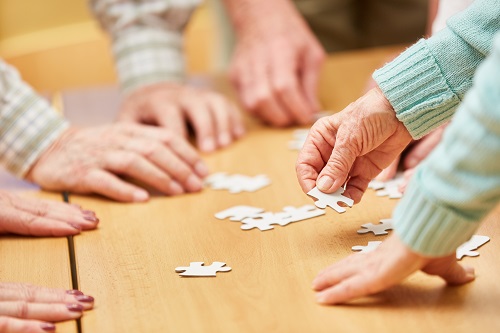
TL;DR Include them: Ask for help in the kitchen, time in the garden with grandkids, or simply a chat so they still feel useful. Calm
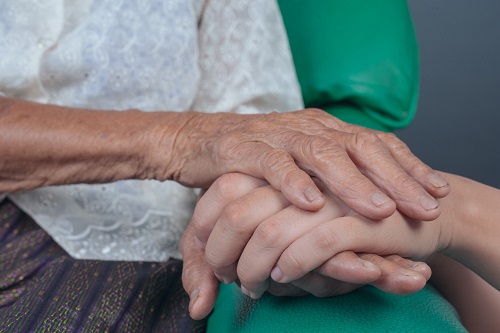
TL;DR Don’t argue: Correcting or using logic usually makes the distress worse, so stay calm and patient. Reassure first: Simple affirmations like “Okay, we’ll go

TL;DR Keep up rehab: Continuing exercises at home helps protect the progress made in therapy. Prevent falls: Simple home changes matter, since falls are the

TL;DR Reduce distractions: Turn off the TV, close the door and find a quiet spot before you talk. Connect first: Use their name, make eye

TL;DR Home-like setting: Look for natural light, warm colors and an individual care plan for each resident. Trained caregivers: Staff should be trained to handle